
The Different Types of Negligence in St. Petersburg Personal Injury Claims
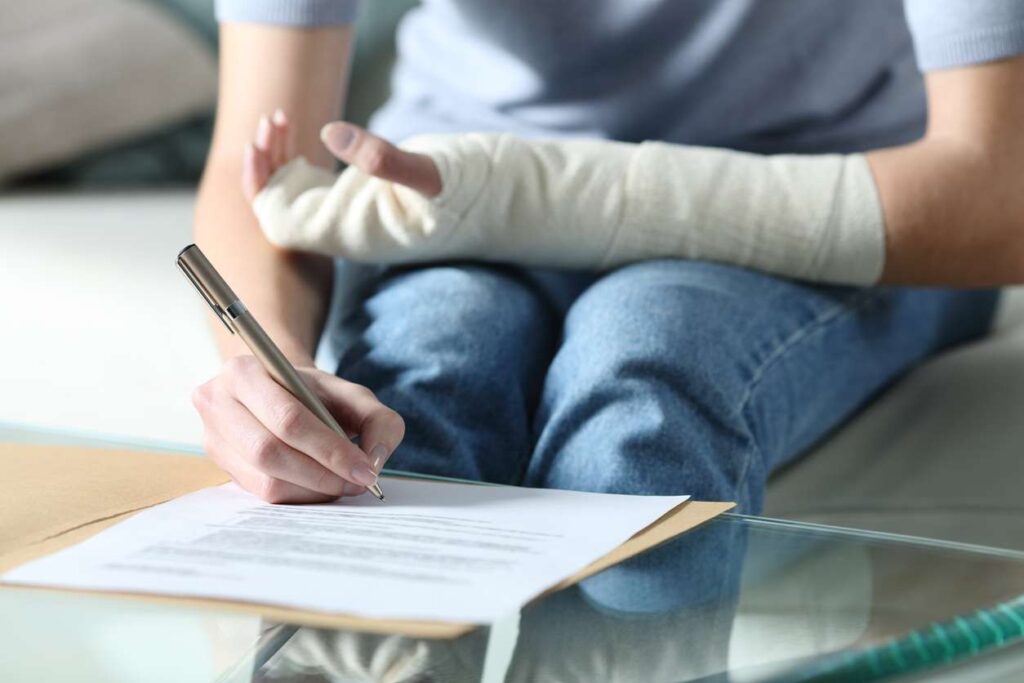
Most personal injury cases are based on claims of negligence. If a party’s negligence results in another person’s injury or death, the negligent party can be held liable for economic and non-economic damages. But the injured party has the burden of proving negligence to recover compensation.
Let’s look at the different types of negligence and forms of liability that can impact these claims. A St. Petersburg injury lawyer can help you understand these concepts.
General Negligence
Negligence occurs when someone fails to use a reasonable level of care, given the circumstances. This level of care means what a “reasonable person” would do given the same situation. You must prove the following legal elements for a negligence claim:
- A legal duty of care existed
- A party breached the duty of care
- The breach of duty caused your injury (both directly and proximately)
- You sustained damages because of the other party’s actions
What is “reasonable” varies depending on the circumstances. If a person’s actions or omissions fall below the reasonable standard of care for a situation, that person could be negligent.
Negligence Per Se
If the at-fault party violates the law, they are presumed to have breached their duty of care. That creates a presumption of negligence as a matter of law, called “negligence per se.” The injured party would only need to prove that the violation was the proximate and direct cause of their accident (and that they sustained damages) to recover compensation.
But the presumption is rebuttable. The defendant can present evidence to refute they broke the law or that their violation of the law was the direct and proximate cause of the injury.
Gross Negligence
Gross negligence is a higher degree of negligence normally used to prove punitive damages. A person acts with gross negligence when their actions demonstrate a conscious disregard or indifference for the safety of others. The party knew their actions could injure someone, but they chose to continue regardless of the consequences.
Generally, negligence must be proven by a preponderance of the evidence. The evidence must prove there is more than a 50% chance that the other party caused your injuries.
Gross negligence for punitive damages, by contrast, must be proven by clear and convincing evidence. You must prove that it is highly and substantially more likely than not that the other party injured you. It is a step above a preponderance of the evidence, but not as high a level of proof as beyond a reasonable doubt (found in criminal law cases).
Other Factors Related to Negligence for a St. Petersburg Personal Injury Claim
In addition to negligence, other legal elements could impact your personal injury case, including, but not limited to:
Comparative Fault
Under the standard of comparative fault, an injured party’s compensation can be reduced by their level of fault for causing their injuries. For example, suppose a jury awarded you $1 million in damages in a car accident case.
The jury also decided, though, that you were 25% to blame for causing the car accident. Instead of receiving $1 million, you would receive 75% of the award, or $750,000.
Florida changed its comparative fault law as of March 24, 2023. If you are more than 50% at fault for causing the accident or your injury, the other party is not liable for your damages.
Vicarious Liability
Typically, only the person who causes your injury is liable for your damages. Vicarious liability, though, holds an employer liable for the negligent acts of their employees. Commercial truck accident cases are a common example of cases involving vicarious liability.
For vicarious liability to apply, you must establish that:
- The at-fault party was a worker under the supervision of the other party;
- The employee was acting within the scope of employment; and,
- They were doing something to benefit or further the employer’s interest when the negligence occurred.
Vicarious liability does not always apply if there is no supervisory role or the employee committed an intentional tort. Even then, the employer could still be liable for negligent supervision or negligent hiring practices.
Strict Liability
An injured party does not need to prove negligence in strict liability cases. Instead, the parties are presumed to be liable for damages because they engaged in certain activities.
Examples of Florida personal injury cases where strict liability applies include:
- Product liability claims
- Dog bites and animal attacks
- Inherently dangerous activities, such as using explosives and storing hazardous waste
Even when strict liability applies, the at-fault party can raise defenses. For instance, if you provoked a dog, the dog owner might not be liable for damages if the dog bites you.
What Should I Do if Another Party Causes an Accident or Injury?
Proving negligence can be challenging. Also, Florida’s statute of limitations restricts your time to file a lawsuit.
Speaking with a lawyer as soon as possible is wise. A car accident attorney can review your case and explain your legal options during a free consultation. It is in your best interest to seek legal advice before dealing with an insurance company or at-fault party directly.
Contact a St. Petersburg Personal Injury Lawyer from Winters & Yonker Personal Injury Lawyers for Help Today
For more information, please contact Winters & Yonker Personal Injury Lawyers to schedule a free consultation with a personal injury lawyer in St. Petersburg today. We have five convenient locations in Florida, including Tampa, Clearwater, St. Petersburg, New Port Richey, and Lakeland.
We proudly serve Hillsborough County, Pinellas County, Pasco County, Polk County, and its surrounding areas:
Winters & Yonker Personal Injury Lawyers – Tampa Office
601 W Swann Ave, Tampa, FL 33606
Open 24 hours
(866) 696-9618
Winters & Yonker Personal Injury Lawyers – Clearwater Office
1006 Drew St, Clearwater, FL 33755
Open 24 hours
(727) 605-7569
Winters & Yonker Personal Injury Lawyers – St. Petersburg Office
111 2nd Ave NE Suite 350, St. Petersburg, FL 33701
Open 24 hours
(727) 314-5988
Winters & Yonker Personal Injury Lawyers – New Port Richey Office
5006 Trouble Creek Rd Unit #200, New Port Richey, FL 34652
Open 24 hours
(727) 910-5060
Winters & Yonker Personal Injury Lawyers – Lakeland Office
1543 Lakeland Hills Blvd Suite 18, Lakeland, FL 33805
Open 24 hours
(863) 251-6196
Talk to Us Before You Talk to the Insurer
Adjusters negotiate claims every working day. Most people do it once in their lives, at the worst possible moment, while taking painkillers and missing work.
Call us and tell us what happened. We will tell you where you stand. The consultation is free.
